
Facts
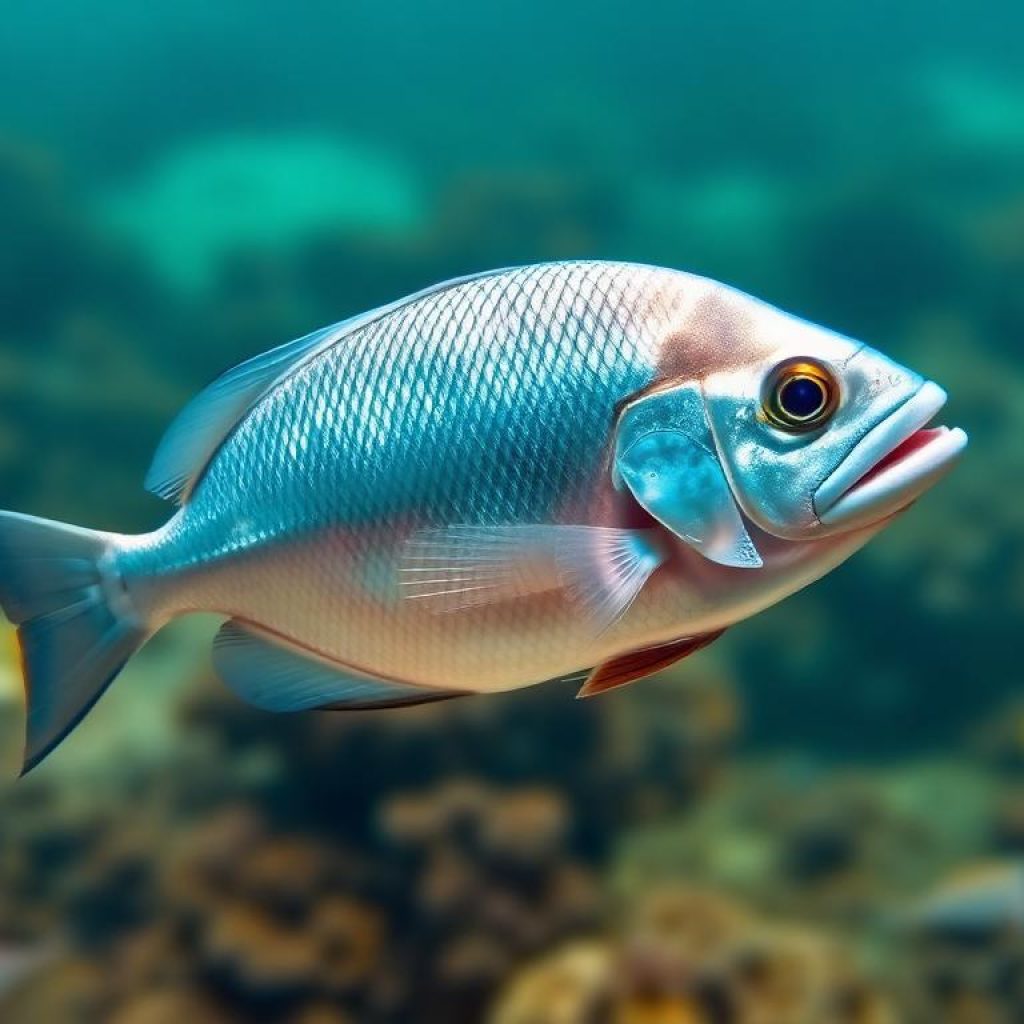
- Silver pomfret swims calmly even in strong currents — fishermen say it “moves with the sea, not against it.”
- In Vietnamese coastal culture, pomfret was traditionally served to elders and honored guests.
- Its flesh stays snow-white and tender, even when cooked simply — a sign of purity, not luxury.
Sea Life Video
Watch in natural habitat
Fresh Catch Video
Fishermen & local market
Paradise Resort Signature Dish
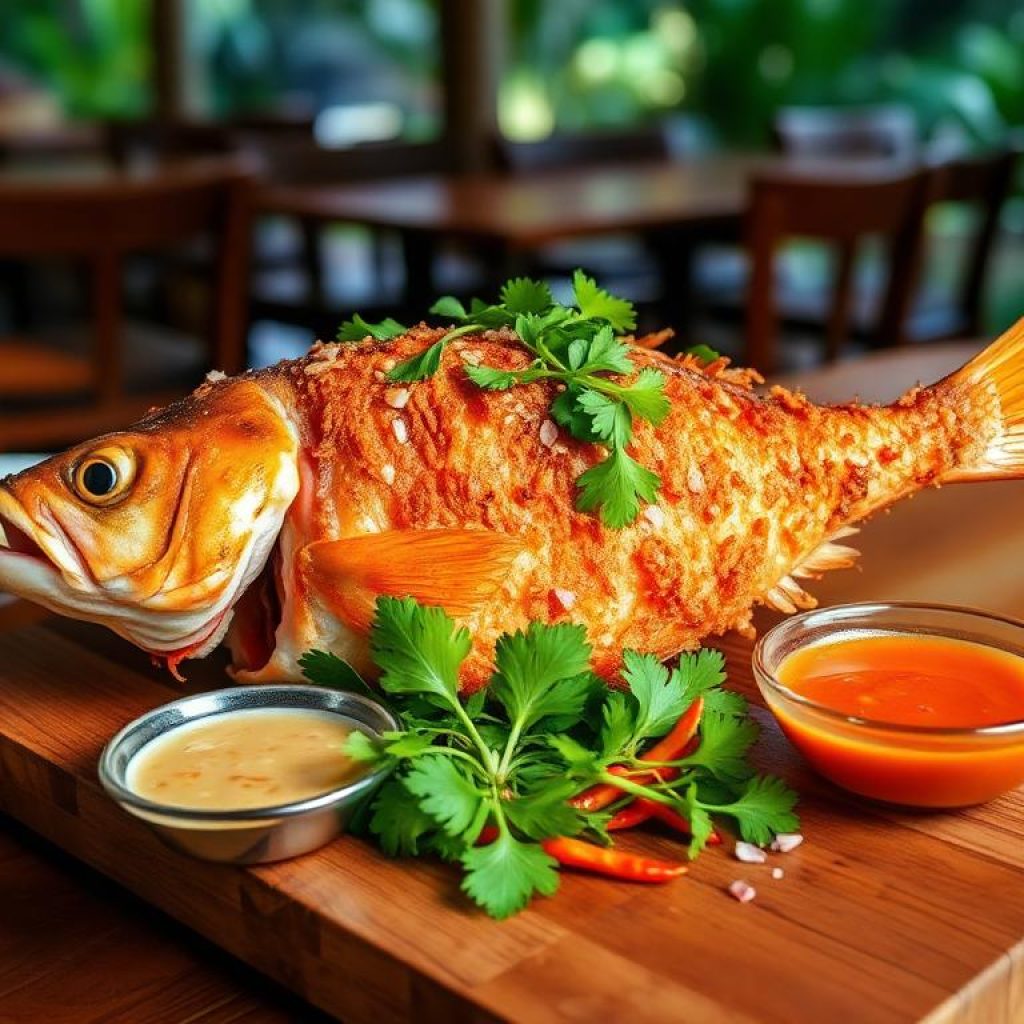
Steamed Silver Pomfret with ginger, spring onion, and light soy, finished with hot oil poured tableside.
- Soft, clean, and silky. The meat separates naturally, releasing gentle sweetness with no heaviness. Ginger warms the palate, while soy adds depth without saltiness.
- White wine (Pinot Grigio), Gin Tonic or Paradise Blue Lagoon (mocktail) → cleanse the palate without stealing attention.
Facts
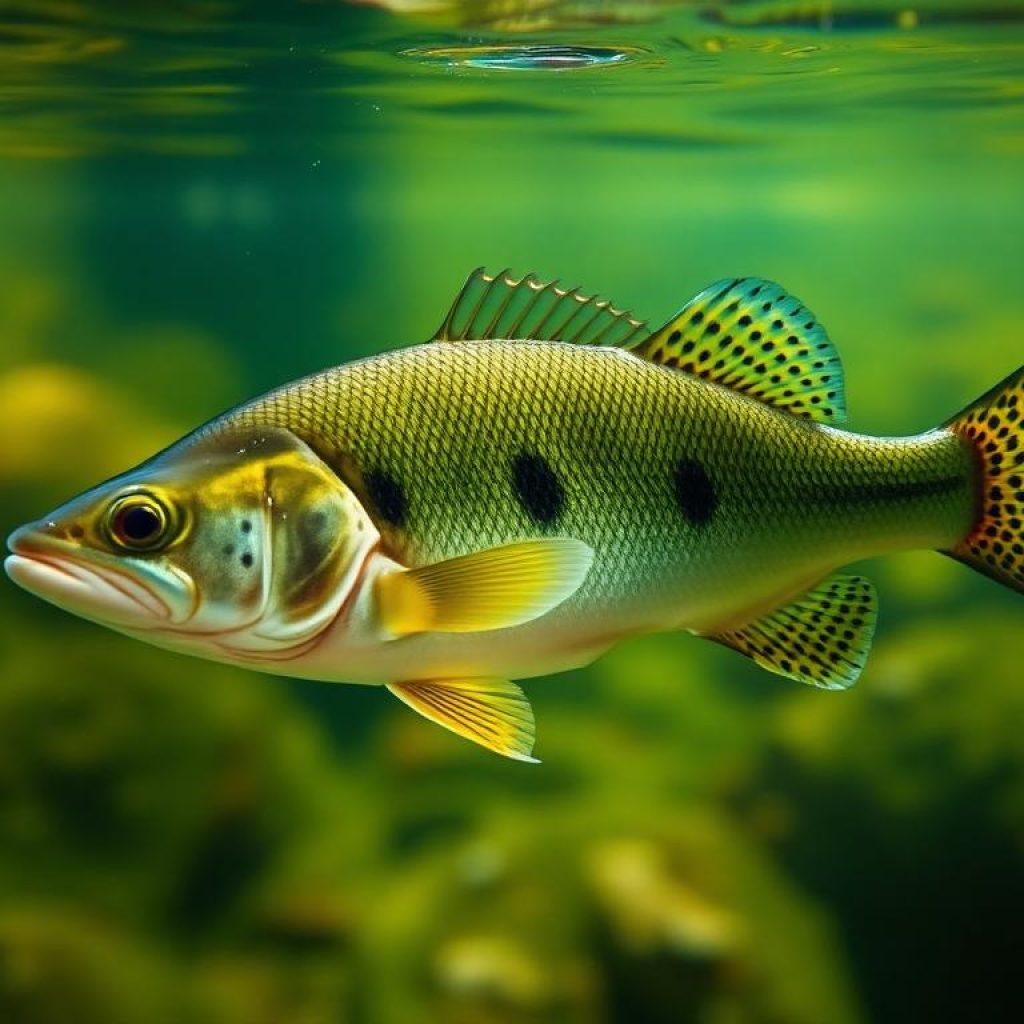
- The dark spot near its tail confuses predators — nature’s quiet deception
- Living close to coral gives the fish a naturally sweet, firm texture
- Fishermen often choose this fish for grilling before tasting — experience speaks first.
Sea Life Video
Watch in natural habitat
Fresh Catch Video
Fishermen & local market
Paradise Resort Signature Dish
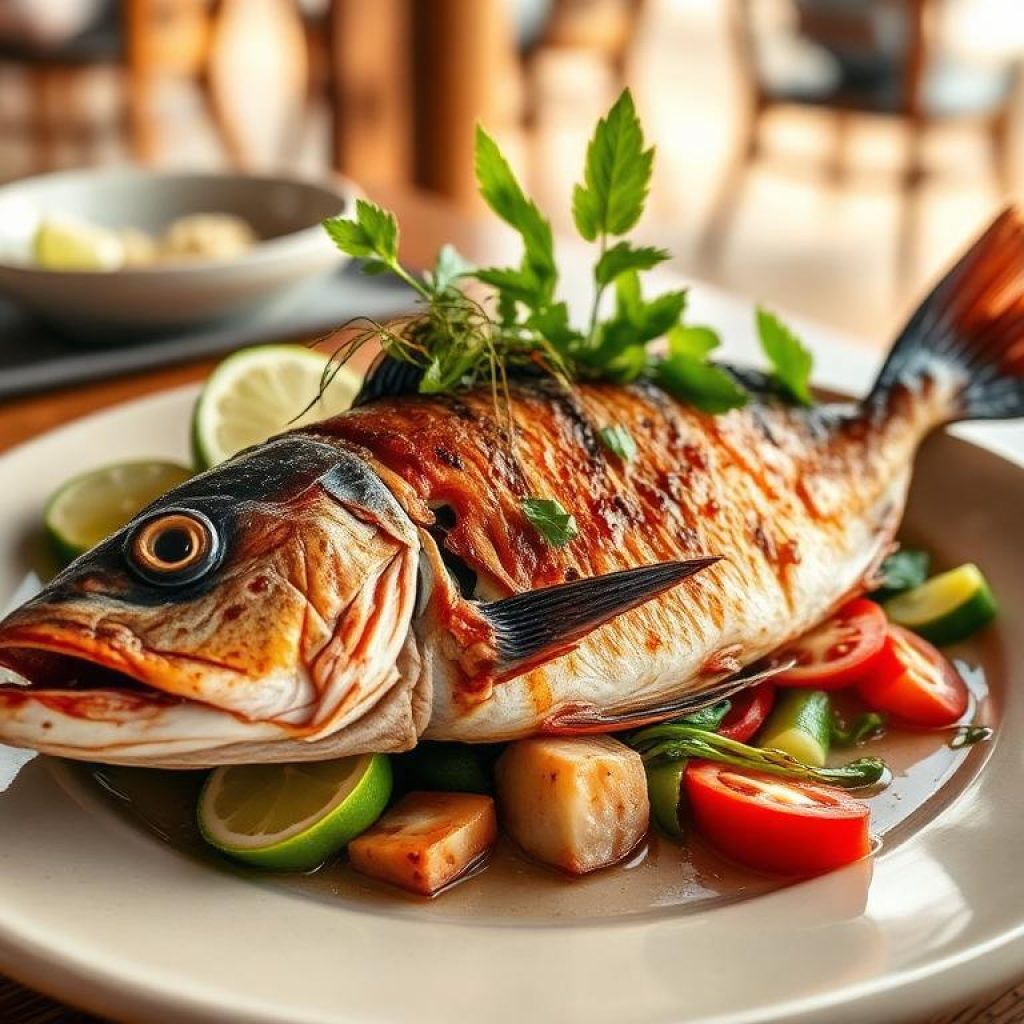
Charcoal-grilled Spottail Bass, brushed with garlic oil and finished with sea salt and garden herbs.
- Firm yet juicy, lightly smoky from the charcoal. The sweetness develops slowly, balanced by garlic and natural oils.
- White wine (Sauvignon Blanc), Mojito or Local Beer → refresh the mouth and highlight the fish’s natural sweetness.

Facts
- One of the fastest fish in the ocean — built for open water and long journeys.
- Fishermen respect sailfish; catching one is patience, not power.
- Its meat reflects its life: dense, bold, unapologetic
Sea Life Video
Watch in natural habitat
Fresh Catch Video
Fishermen & local market
Paradise Resort Signature Dish
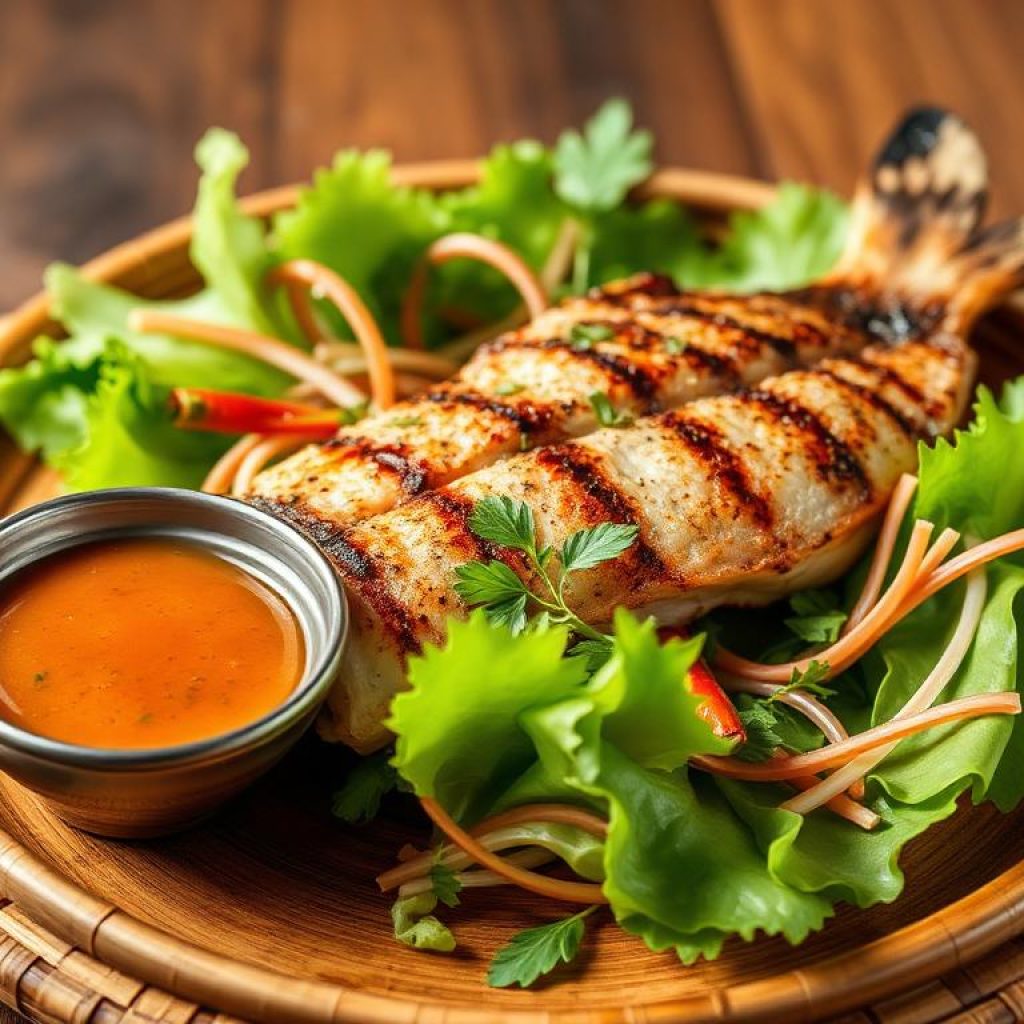
Sailfish Steak with Lemongrass Sauce, pan-seared to a golden crust, finished with a fragrant sauce made from fresh lemongrass
- The steak is meaty and juicy, with a clean bite that holds its shape. The lemongrass sauce brings citrusy brightness and gentle warmth, lifting the richness without masking the natural flavor of the fish. Each bite feels energetic, fresh, and satisfying — never heavy.
- White wine (Pinot Grigio), Paradise Passion (cocktail) or Cold mangosteen tea → refresh the palate and highlight the citrus notes of lemongrass without stealing attention.
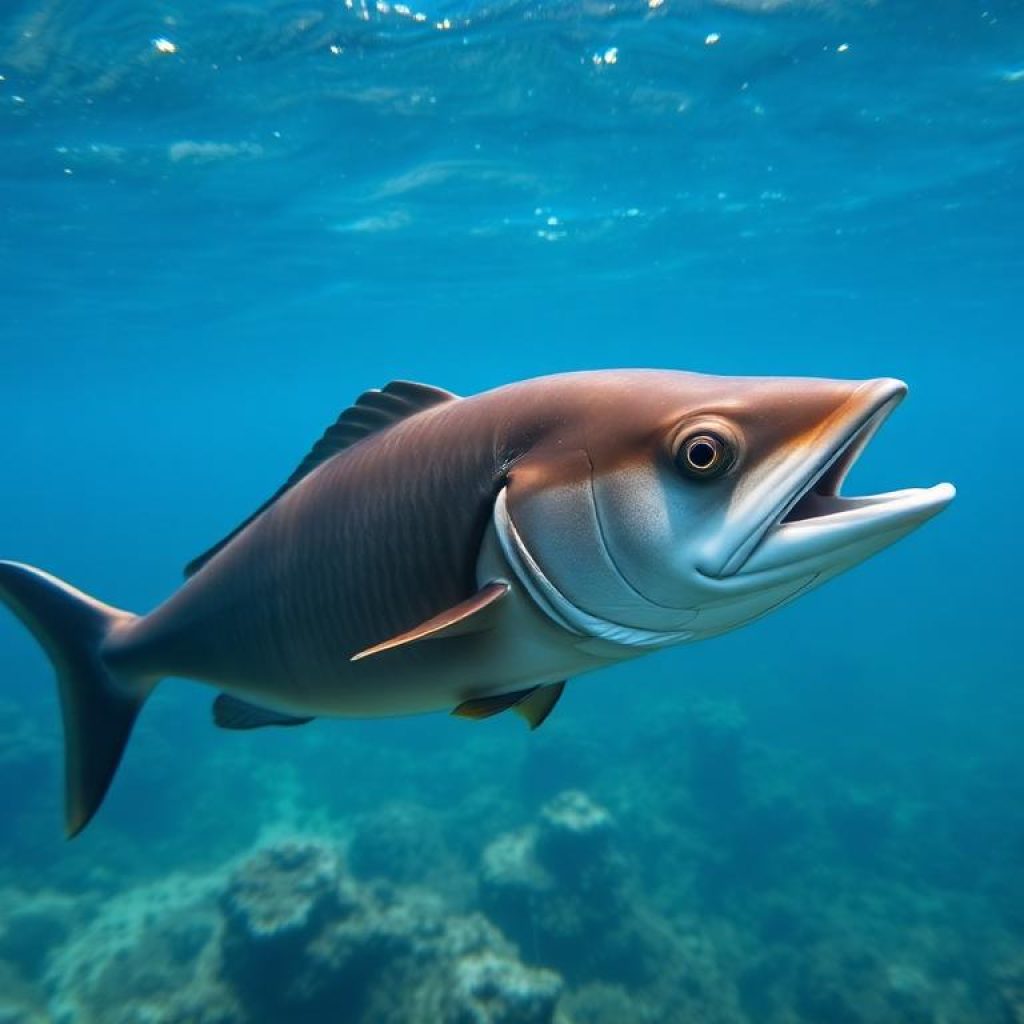
Facts
- Cobia often swims alongside larger sea creatures — instinct over fear.
- Its flesh is naturally buttery without being oily.
- In Vietnam, cobia symbolizes good timing and good fortune.
Sea Life Video
Watch in natural habitat
Fresh Catch Video
Fishermen & local market
Paradise Resort Signature Dish
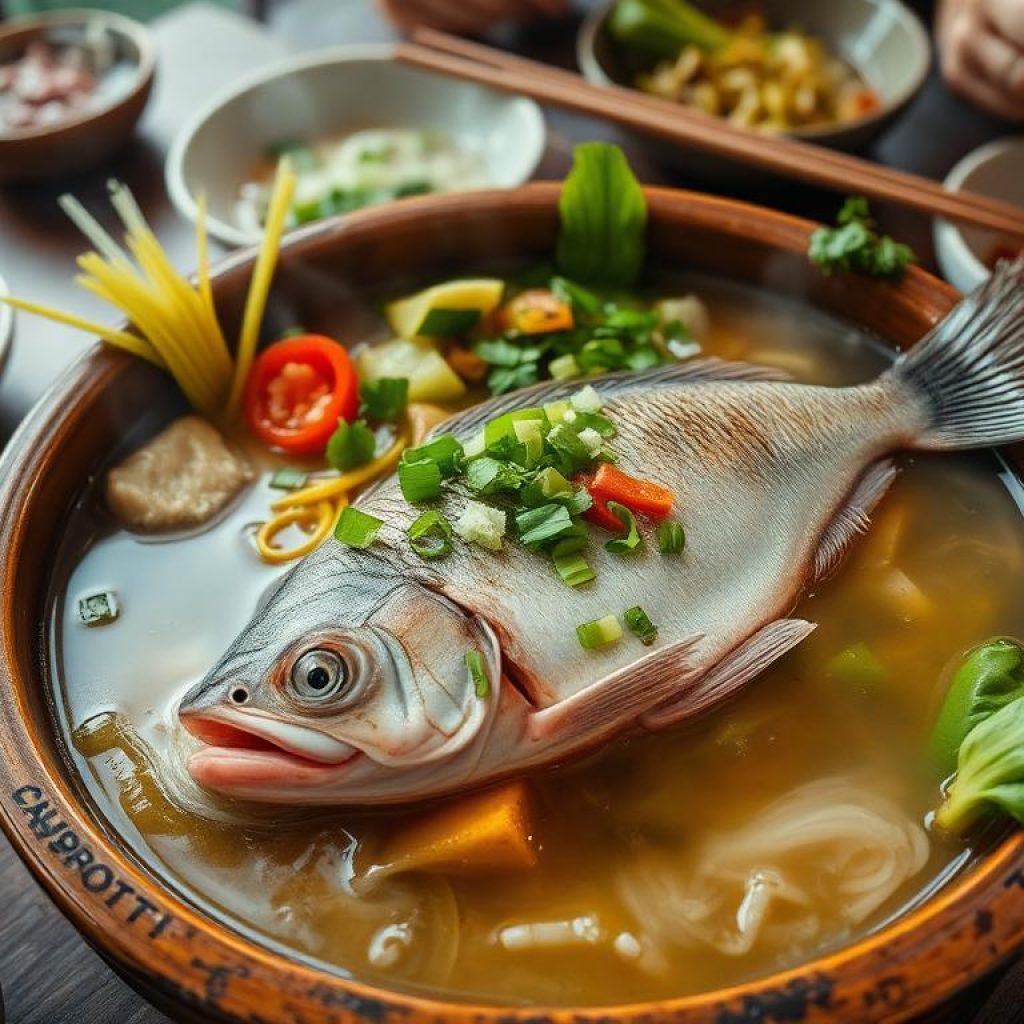
Slow-braised Cobia with caramelized fish sauce and cracked pepper, cooked until the sauce hugs the fish.
- Deep, savory, and comforting. The sweetness of caramelized sauce melts into buttery flesh, leaving a long, warm finish.
- Whiskey Sour, Paradise By Night (cocktail) or Warm Ginger Tea → cut through richness while keeping the dish balanced.
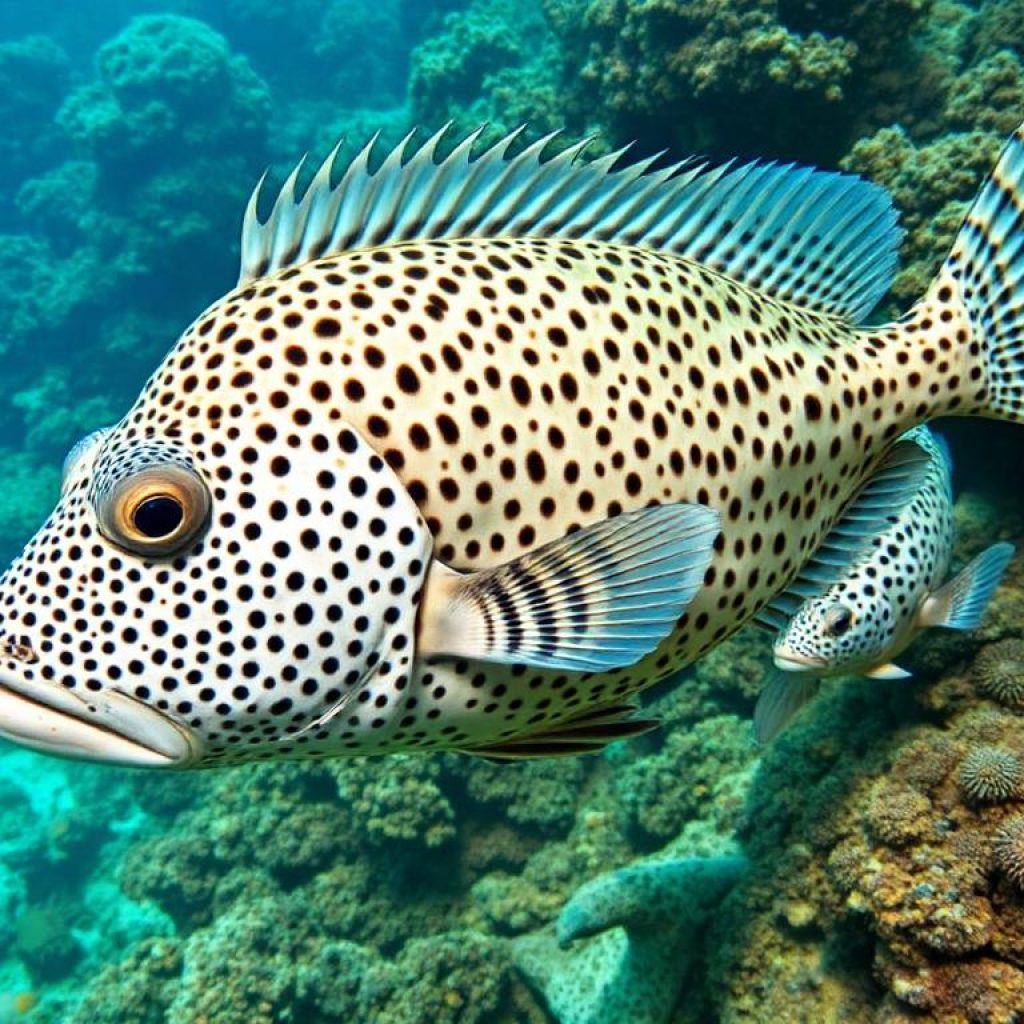
Facts
- Grouper doesn’t chase — it waits. Its strength comes from patience, not speed.
- Living among reefs and rocks gives its flesh a naturally firm, structured texture.
- In Vietnamese coastal homes, grouper is often chosen when the meal is meant to feel special, but never showy.
Sea Life Video
Watch in natural habitat
Fresh Catch Video
Fishermen & local market
Paradise Resort Signature Dish
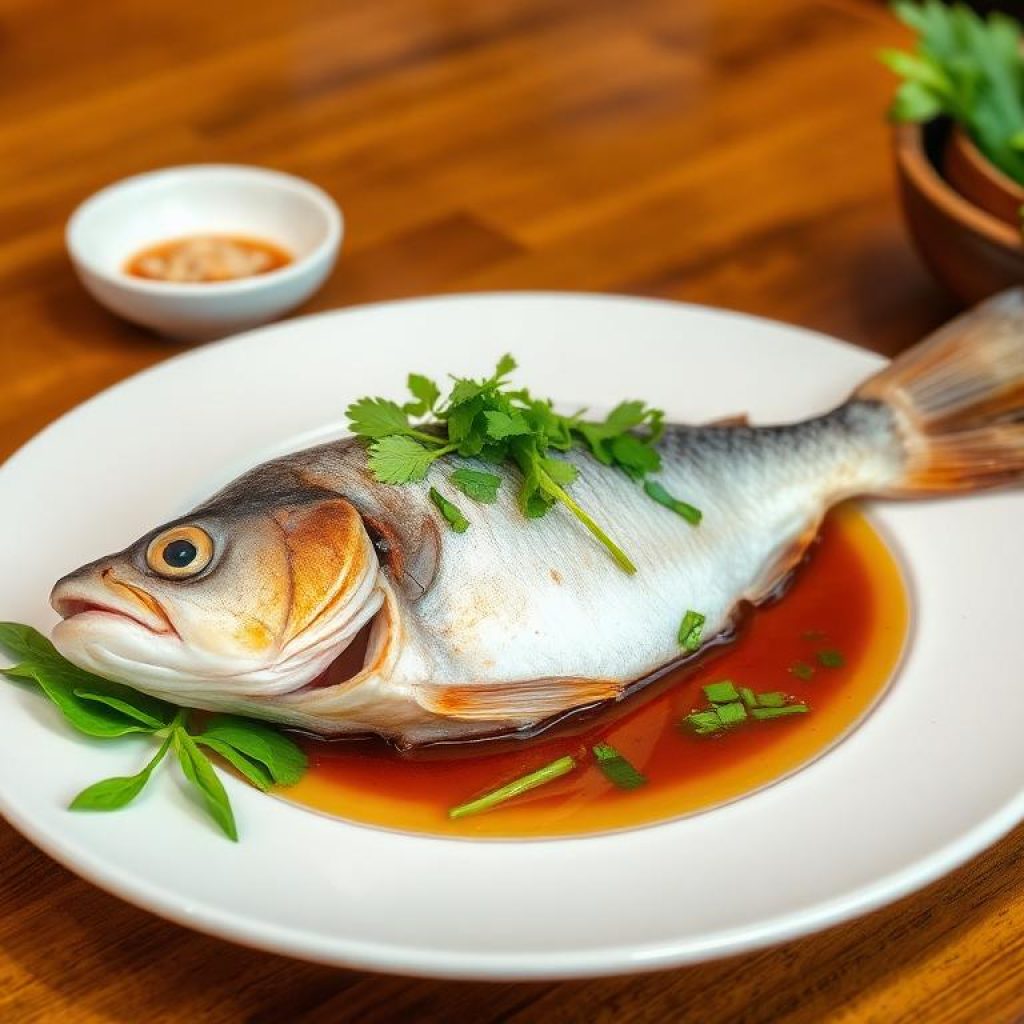
Charcoal-grilled Grouper with mixed house sauce — a blend of chili, sea salt, cracked pepper, fragrant oil, and fresh garden herbs, brushed slowly as the fish grills over fire.
- The grill brings out a gentle smokiness, while the mixed sauce melts into the flesh, creating layers of heat, salt, and herbal freshness. The meat stays firm yet juicy, with a clean finish that keeps the palate awake.
- Gin Tonic Paradise Tropical (cocktail) or Local beer → cleanse the palate while letting the grilled aroma and herbs linger.

Facts
- Thousands move as one — survival through unity.
- They’re rich in calcium and natural umami.
- Small size, big flavor.
Sea Life Video
Watch in natural habitat
Fresh Catch Video
Fishermen & local market
Paradise Resort Signature Dish
Crispy Tiny Anchovies with garlic and chili, served for sharing.
- Crunchy, salty-sweet, slightly spicy. Each bite wakes the palate and invites another.
- Paradise Rainbow cocktail, Cold local beer or Guava Breeze (mocktail) → refresh and reset the mouth.
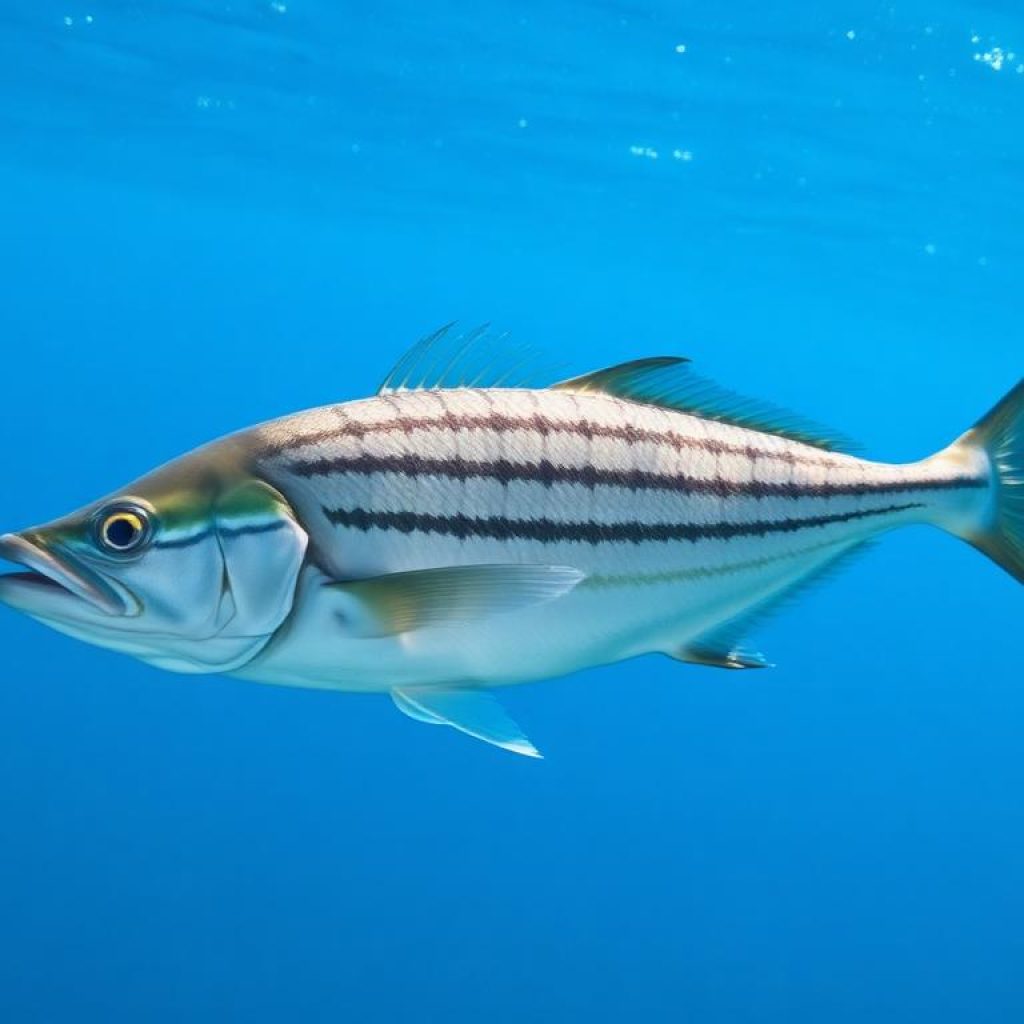
Facts
- Mackerel is rich in omega-3 and deep sea flavor.
- Mackerel is always on the move — migration is its nature, never staying still.
- Along the Vietnamese coast, mackerel is known as a fish that “keeps you strong,” especially on long sea days.
Sea Life Video
Watch in natural habitat
Fresh Catch Video
Fishermen & local market
Paradise Resort Signature Dish
Pan-fried Mackerel with tomato and garden herb sauce, cooked until the skin turns lightly crisp, then finished with a slow-simmered tomato sauce infused with fresh herbs from the garden.
- The mackerel is rich and juicy inside, with a gentle crispness outside. The tomato sauce brings soft acidity that cuts through the natural oil, while garden herbs add freshness and lift. The result is balanced, familiar, and deeply satisfying — a dish that feels like home by the sea.
- Negroni, Sparkling wine or Guava Breeze (mocktail) → cut through the richness and refresh the palate without stealing attention.
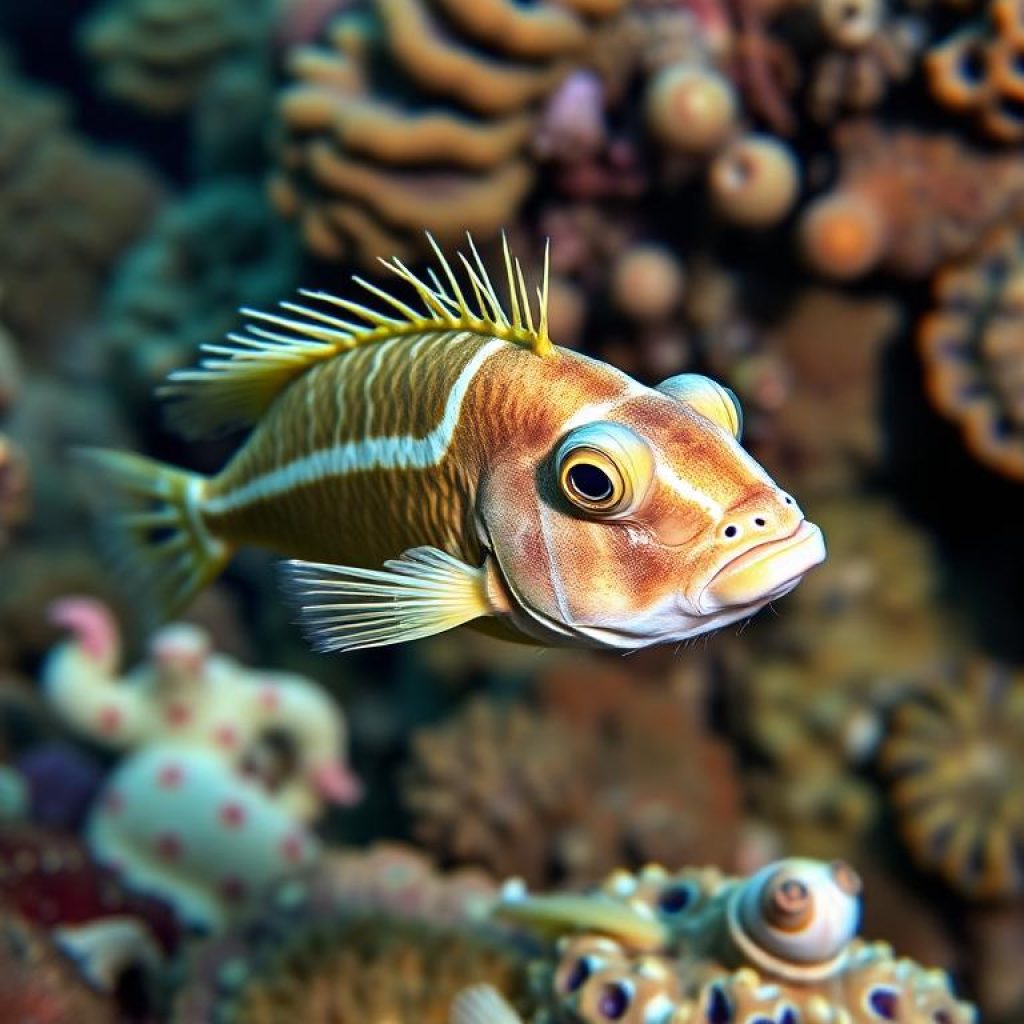
Facts
- Rabbitfish feeds on sea plants, which gives its flesh a naturally clean, gentle flavor.
- It lives close to reefs and shallow waters, absorbing the freshness of its environment rather than fighting currents.
- In Vietnamese coastal kitchens, rabbitfish is often chosen for sour soups — dishes meant to refresh the body, not weigh it down.
Sea Life Video
Watch in natural habitat
Fresh Catch Video
Fishermen & local market
Paradise Resort Signature Dish
Canh Chua Rabbitfish — cooked in a sour-sweet broth with tamarind, pineapple, tomato, and fresh garden herbs.
- The fish is soft and delicate, soaking up the tangy tamarind broth. Pineapple adds natural sweetness, tomato brings gentle acidity, and garden herbs lift the soup with freshness. Each spoon feels light, cleansing, and restorative — perfect by the sea.
- Cinderella (mocktail), Coconut homemade Liquor or Hot black tea, → cleanse the palate and echo the soup’s refreshing balance without stealing attention.
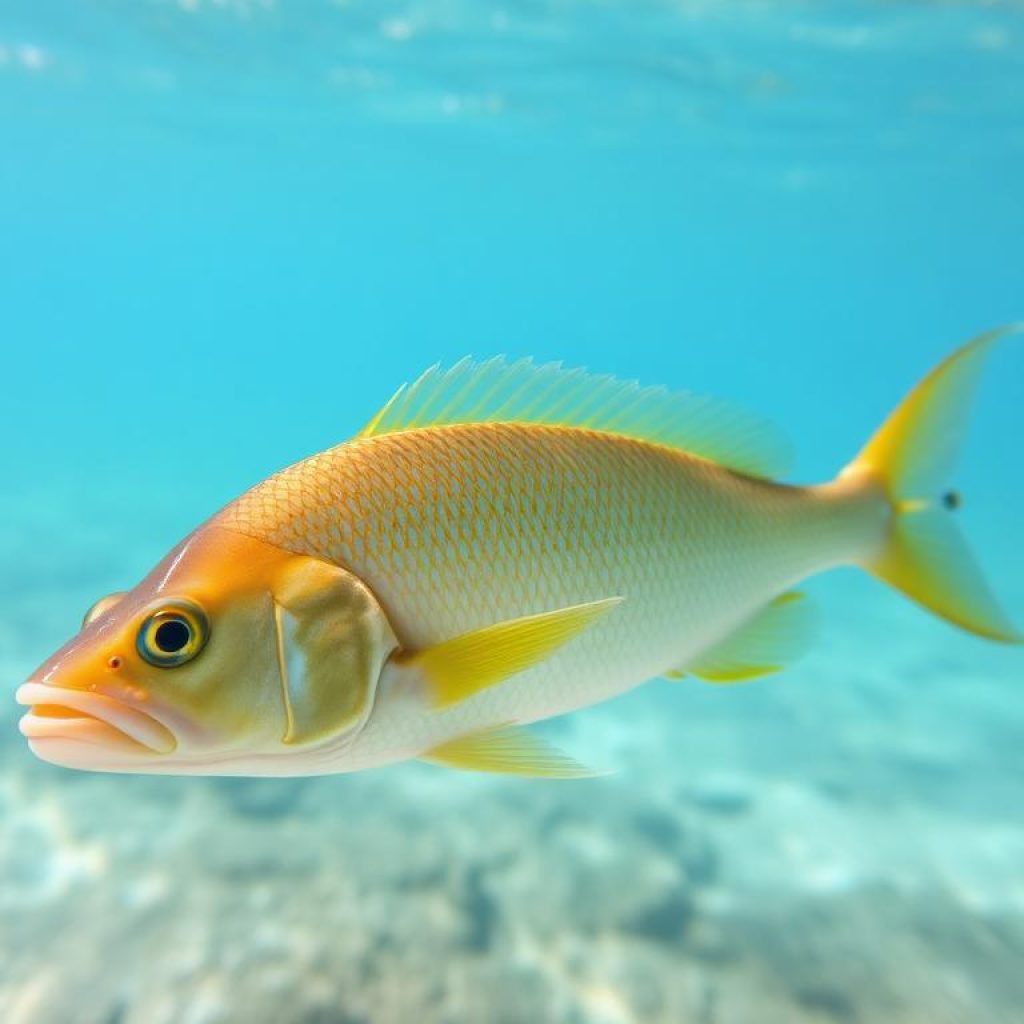
Facts
- Croaker can make sound underwater — fishermen often hear it before they see it, like the sea whispering.
- It lives close to sandy bottoms, giving its flesh a soft texture and gentle mineral sweetness.
- Along the Vietnamese coast, croaker is everyday food done right — simple, honest, and deeply comforting.
Sea Life Video
Watch in natural habitat
Fresh Catch Video
Fishermen & local market
Paradise Resort Signature Dish
Freshly grilled Croaker with sea salt and cracked pepper, served hot and eaten with soft rice paper rolls, fresh herbs, and dipping sauce.
- The grill brings out a light char and natural sweetness from the fish, while salt and pepper sharpen the flavor without masking it. Wrapped in rice paper with herbs, each bite feels fresh, warm, and balanced — simple ingredients working together, nothing extra, nothing missing
- Mojito, Paradise Flower cocktail or Sparkling soda with lime → cleanse the palate and let the smokiness and natural sweetness of the fish shine.
Why It Feels Different at Paradise
Because this isn’t seafood designed for photos.
It’s food designed for memory.
From ocean…
to table…
to the quiet moment when you realize:
This is what real hospitality tastes like.